







Introduction
Traveller's Rest is a cozy tavern management simulation that puts players in charge of transforming a small, run-down inn into a thriving business. Unlike many farming or crafting games, Traveller's Rest focuses heavily on hospitality, brewing, cooking, customer satisfaction, and business expansion. Every decision, from what food you serve to how you decorate your tavern, affects your reputation and profitability.
While the game appears relaxing on the surface, there is a surprising amount of depth beneath its charming pixel-art style. Managing resources, optimizing production chains, maintaining customer happiness, and expanding your tavern efficiently all require careful planning.
Many new players struggle because they spend money on unnecessary upgrades, fail to maintain stock levels, or overlook important production systems. This guide will walk you through the entire progression path, helping you build a successful tavern while avoiding common mistakes.
Whether your goal is becoming the most famous innkeeper in the region or simply running an efficient business, these tips will help maximize your success.
1. Focus on Reputation Before Profit
One of the biggest mistakes beginners make is prioritizing short-term profits over reputation.
While earning money is important, reputation determines the quality and quantity of customers visiting your tavern. A strong reputation leads to larger crowds, better sales opportunities, and faster progression.
Early in the game, focus on delivering a good customer experience rather than maximizing every coin earned.
Ways to Improve Reputation
- Serve quality food.
- Keep the tavern clean.
- Decorate effectively.
- Provide enough seating.
- Maintain inventory.
Why Reputation Matters
Higher reputation unlocks more opportunities and creates a stronger foundation for long-term profitability.
Think of reputation as an investment rather than a reward.
2. Learn Brewing as Early as Possible
Brewing is one of the most important systems in Traveller's Rest.
Alcoholic beverages become a major source of revenue, and understanding production chains early gives players a significant advantage.
Many beginners rely heavily on food sales while neglecting drink production.
Essential Brewing Steps
- Gather ingredients.
- Brew the beverage.
- Age it when appropriate.
- Store properly.
- Serve customers.
Benefits of Brewing
- Consistent income.
- High profit margins.
- Better customer satisfaction.
- Increased tavern value.
An efficient brewery can become the backbone of your entire business.
3. Keep Inventory Organized
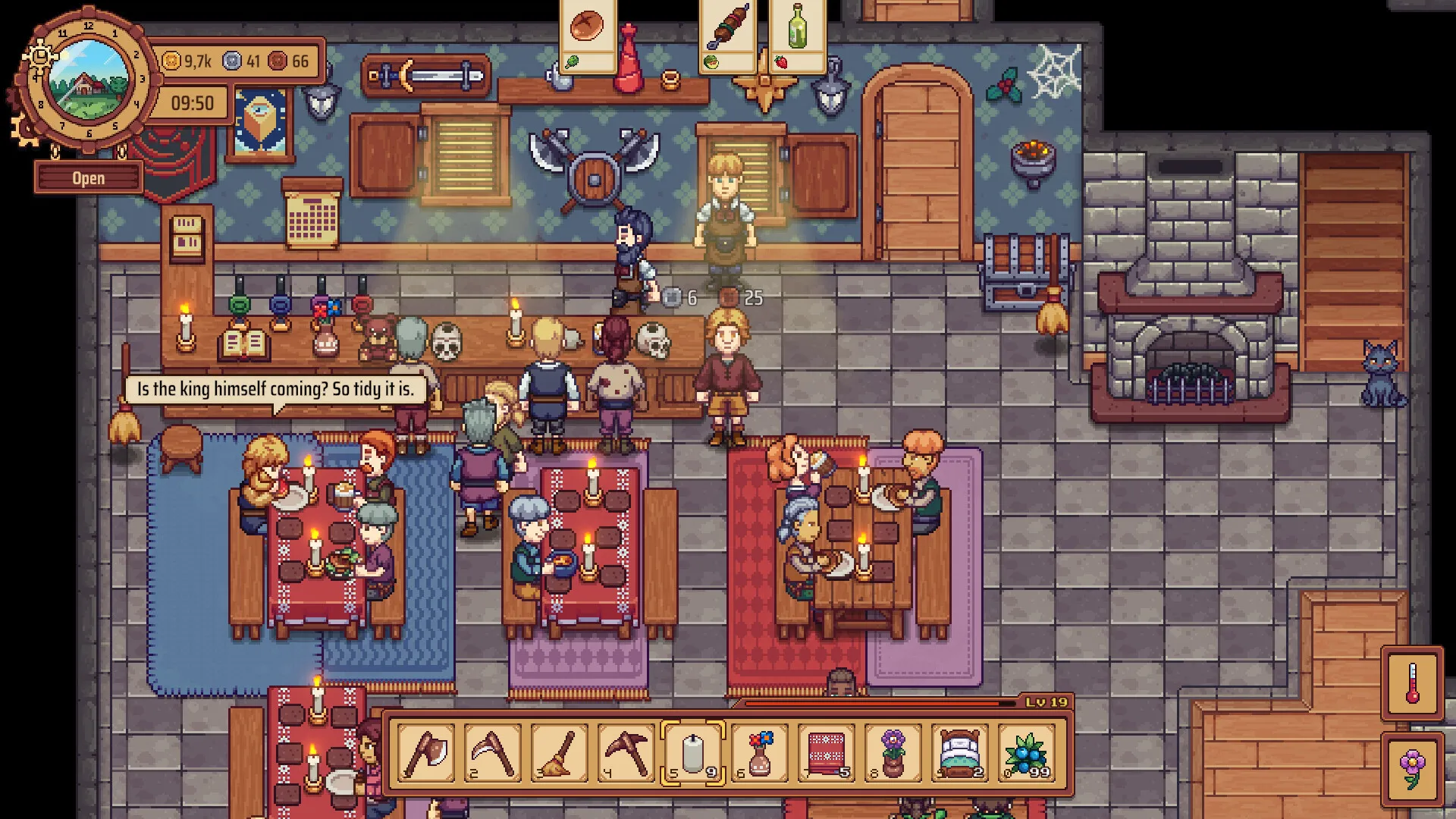
Storage management becomes increasingly important as your tavern grows.
Ingredients, beverages, food products, crafting materials, and decorations quickly accumulate, creating clutter if left unmanaged.
Many players waste time searching for items because they never establish an organization system.
Suggested Storage Categories
- Raw ingredients
- Alcohol
- Cooked meals
- Crafting supplies
- Seasonal items
Benefits of Organization
A well-organized inventory allows faster cooking, brewing, crafting, and restocking.
Small improvements in organization can save significant time over a long playthrough.
4. Prioritize High-Demand Foods
Not every meal provides the same value.
Some foods are inexpensive to produce but generate excellent customer satisfaction and profits. Others require rare ingredients while offering minimal benefits.
Understanding which recipes perform well is essential.
Good Early Food Options
- Bread-based meals
- Vegetable dishes
- Basic soups
- Simple roasted foods
Food Management Tips
Avoid Overstocking
Fresh ingredients are valuable resources.
Balance Variety
Offering multiple meal types improves customer satisfaction.
Monitor Demand
Popular foods should always remain available.
Successful taverns adapt their menus based on customer needs.
5. Expand the Tavern Gradually
Expansion is exciting, but growing too quickly can create problems.
Many players spend all their money on large upgrades before establishing reliable production systems.
Instead, expand in stages.
Recommended Expansion Order
- Improve seating.
- Increase kitchen efficiency.
- Expand brewing capacity.
- Add decorations.
- Upgrade service areas.
Why Slow Expansion Works
Gradual growth ensures your business remains profitable while avoiding resource shortages.
A smaller efficient tavern often performs better than a large disorganized one.
6. Keep Customers Happy
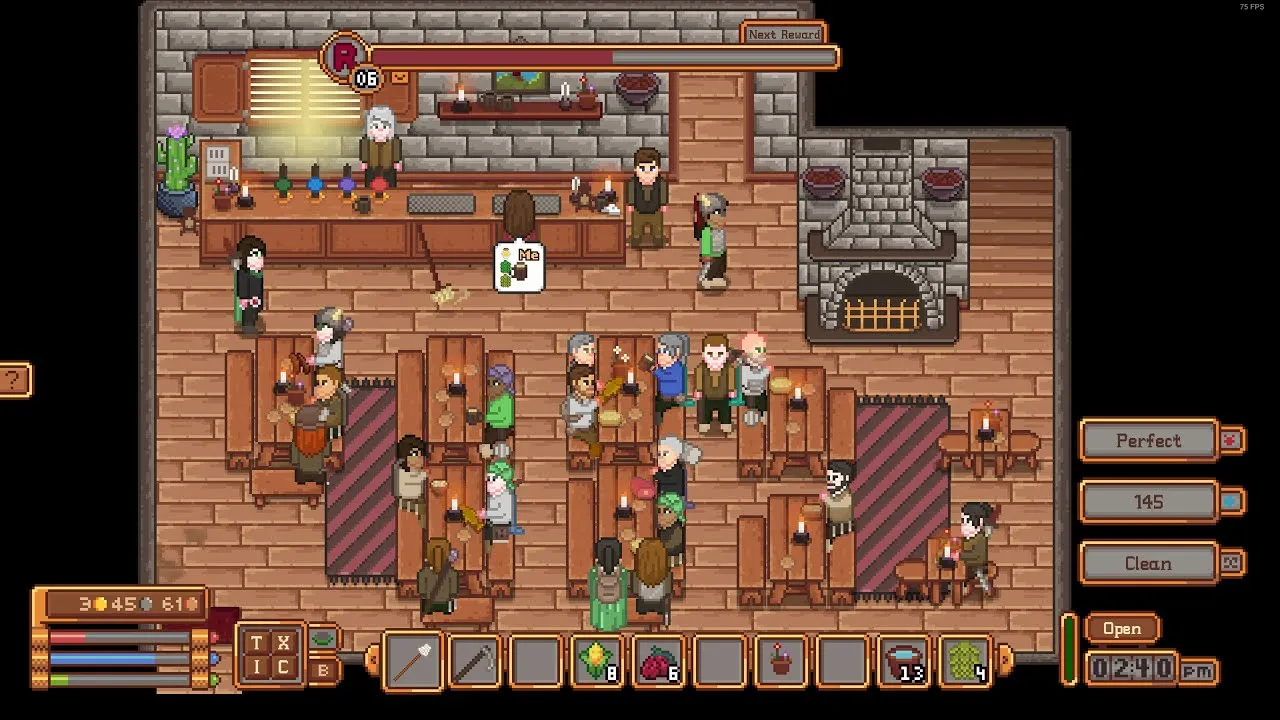
Customer satisfaction directly impacts your success.
Happy customers spend more money, improve your reputation, and contribute to tavern growth.
Many new players focus solely on production while neglecting customer experience.
Factors Affecting Satisfaction
- Food quality
- Drink availability
- Cleanliness
- Decoration
- Seating space
Common Problems
- Empty kegs
- Dirty floors
- Long waiting times
- Limited menu options
Regular maintenance prevents many of these issues before they affect business performance.
7. Optimize Daily Workflows
As your tavern grows, efficiency becomes increasingly important.
A poorly planned workflow results in wasted time and reduced productivity.
Successful innkeepers establish routines that allow them to accomplish more each day.
Daily Priorities
Morning
- Check inventory.
- Start brewing.
- Prepare ingredients.
Afternoon
- Cook meals.
- Restock supplies.
- Complete crafting tasks.
Evening
- Serve customers.
- Clean the tavern.
- Monitor stock levels.
Consistent routines improve profitability and reduce stress.
8. Invest in Decoration Strategically
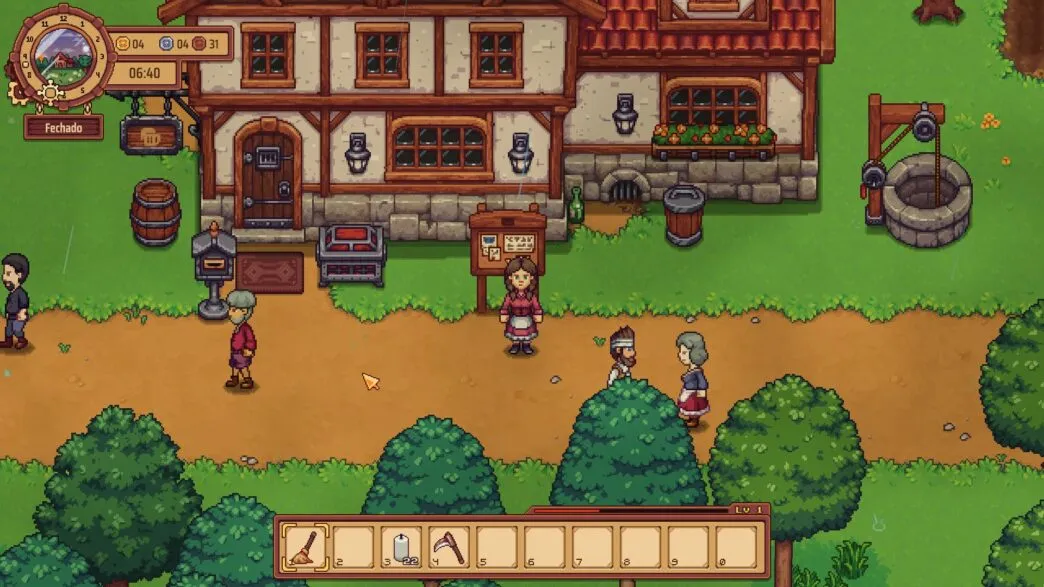
Decoration is more than cosmetic.
A beautifully designed tavern attracts customers and improves reputation. However, spending too much on decorative items too early can slow progression.
Best Decorative Investments
- Tables
- Chairs
- Wall decorations
- Flooring upgrades
- Lighting
Decoration Tips
Focus on items that provide meaningful reputation bonuses rather than purely aesthetic upgrades.
Function should come before luxury during the early game.
As profits increase, more elaborate customization becomes practical.
9. Develop Advanced Production Chains
The mid and late game introduce increasingly complex production systems.
Simple ingredients eventually become components in higher-value recipes and beverages.
Players who understand production chains gain a major economic advantage.
Important Production Areas
- Brewing
- Cooking
- Farming
- Ingredient processing
Advanced Management Tips
Maintain Ingredient Reserves
Never wait until supplies are depleted.
Produce in Batches
Large production runs improve efficiency.
Plan Ahead
Anticipate future demand rather than reacting to shortages.
Efficient production systems create stable long-term growth.
10. Prepare for Late-Game Tavern Optimization
By the late game, your focus shifts from survival to optimization.
You will have access to larger facilities, more recipes, advanced production equipment, and higher customer volumes.
Late-Game Goals
- Maximize reputation.
- Maintain full inventory.
- Optimize tavern layout.
- Expand production capacity.
- Improve customer throughput.
Advanced Optimization Strategies
Design for Efficiency
Place workstations close together.
Separate Production Areas
Reduce unnecessary movement.
Maintain Large Stockpiles
Avoid unexpected shortages.
Analyze Profits
Focus on the most profitable products.
The best taverns operate smoothly even during the busiest periods.
Conclusion
Traveller's Rest offers a rewarding blend of tavern management, brewing, cooking, crafting, and business expansion. While the early game focuses on learning production systems and attracting customers, the later stages challenge players to optimize every aspect of their operation. Success comes from balancing profitability with customer satisfaction while steadily expanding your tavern's capabilities.
By prioritizing reputation, mastering brewing, organizing inventory, maintaining customer happiness, and developing efficient production chains, you'll avoid many of the common mistakes that slow new players down. Whether you dream of running a cozy countryside inn or building the most successful tavern in the region, these strategies will help you achieve your goals far more efficiently.