





Introduction
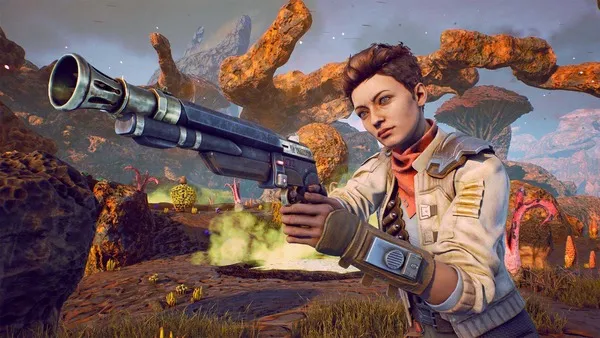
The Outer Worlds 2 expands on the original’s formula with deeper role-playing systems, more complex factions, and greater freedom in how you approach the galaxy. This is not a game where you simply follow quests—you shape outcomes through your build, dialogue choices, and strategic decisions.
This guide focuses on Tip & Guides structured across the full timeline of gameplay. Instead of generic advice, we will break down exactly how to approach each stage—from character creation to late-game dominance—so you can maximize efficiency, power, and narrative control.
If you apply these strategies, you won’t just complete the game—you’ll control every system within it.
How to Build a Strong Character from the Beginning
Your character build determines how you interact with the world—combat, dialogue, and exploration all depend on your stats.
Focus on:
- Core attributes (strength, intelligence, charm)
- Skill distribution
- Long-term playstyle
Beginner-friendly builds
A balanced build works best early on, allowing flexibility in combat and dialogue.
Key mistake
Specializing too early limits your ability to handle different situations.
How to Prioritize Skills for Early Efficiency
Skills unlock new gameplay options, making them critical for progression.
Early priorities should include:
- Persuasion and dialogue skills
- Combat proficiency
- Lockpicking and hacking
Why dialogue matters
Many situations can be resolved without combat, saving resources and opening unique outcomes.
Pro tip
Investing in utility skills early creates long-term advantages.
How to Manage Early Resources and Equipment
Resources are limited at the start, so efficiency is key.
Focus on:
- Weapon selection
- Armor upgrades
- Consumables
Resource strategy
Sell unnecessary items and upgrade only essential gear.
Common mistake
Holding onto low-value loot that wastes inventory space.
How to Approach Combat Strategically
Combat in The Outer Worlds 2 is flexible—you can fight aggressively, stealthily, or avoid combat entirely.
Key combat elements:
- Positioning
- Weapon variety
- Companion support
Combat strategy
Use cover and exploit enemy weaknesses.
Advanced tip
Switch tactics depending on enemy type.
How to Use Companions Effectively
Companions are more than allies—they are extensions of your strategy.
They provide:
- Combat support
- Skill bonuses
- Story interactions
Companion synergy
Choose companions that complement your build.
Key insight
Managing companion abilities can turn difficult fights into easy wins.
How to Navigate Factions and Reputation
Faction relationships shape your experience in the game.
Your choices affect:
- Quest availability
- NPC behavior
- Ending outcomes
Faction strategy
Balance relationships carefully instead of committing too early.
Critical decision
Some choices are irreversible—plan ahead.
How to Explore Efficiently Without Wasting Time
Exploration is rewarding but can become inefficient without planning.
To explore effectively:
- Set clear objectives
- Use fast travel
- Prioritize high-value locations
Exploration mindset
Do not explore everything blindly—focus on meaningful rewards.
Pro tip
Combine exploration with active quests.
How to Optimize Mid-Game Progression
Mid-game is where builds start to specialize.
Focus on:
- Refining your playstyle
- Upgrading key skills
- Improving equipment
Optimization strategy
Double down on your strengths instead of spreading points evenly.
Common mistake
Trying to do everything instead of mastering one approach.
How to Handle Late-Game Challenges and Choices
Late-game introduces complex missions and stronger enemies.
You must:
- Use advanced tactics
- Maximize your build
- Make critical story decisions
Late-game strategy
Efficiency becomes more important than experimentation.
Winning factor
Preparation determines success.
How to Build a Consistent Winning Playstyle
Consistency is the key to mastering The Outer Worlds 2.
Develop habits such as:
- Planning before acting
- Managing resources carefully
- Adapting to challenges
Improvement loop
Plan → execute → evaluate → refine.
Final insight
Mastery comes from understanding systems, not just completing objectives.
Conclusion
The Outer Worlds 2 rewards players who think strategically and adapt to its complex systems. By mastering character builds, managing resources, and making smart decisions, you can shape both gameplay and story outcomes.
This is not just a game of action—it’s a game of choices. Every decision matters, and every system connects to another. Understanding these connections is the key to success.
If you approach the game with a clear plan and refine your strategy over time, you will gain full control over the world and its outcomes.